
Memorial Day: Honoring Sacrifice and Supporting Veteran Pancreatic Health
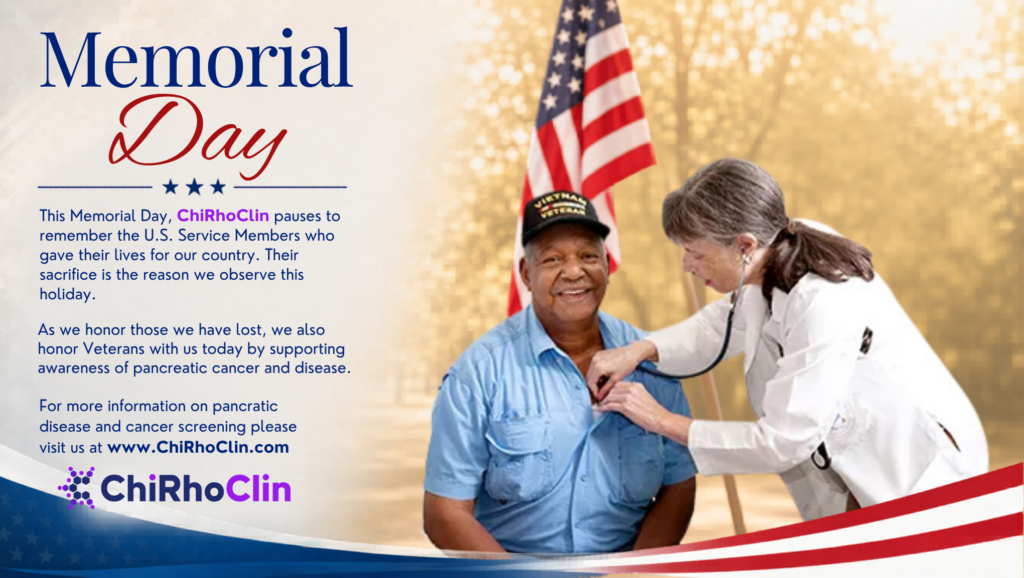
This Memorial Day, ChiRhoClin pauses to remember the U.S. service members who gave their lives for our country. As we honor lost Veterans, we still honor those with us today by spreading pancreatic disease awareness through conversation and innovative diagnostics.
Pancreatic diseases, including pancreatic cancers, deserve more attention in medical communities, Veteran and civilian alike. Due to the difficulty surrounding early detection, Pancreatic cancer remains a major cause of cancer deaths. The Veteran’s Affairs Health Systems Research program reports increasing incidences of pancreatic cancer among Veterans. They note less than 30% of Veterans with pancreatic cancer are diagnosed at early stages. Over 75% of veterans are diagnosed in Emergency Department visits. The VA lists pancreatic cancer among the presumptive cancers for certain Gulf War era and post-9/11 Veterans who meet service and exposure criteria. Veterans should also know that the PACT Act expanded VA health care and benefits for Veterans exposed to burn pits, Agent Orange, and other toxic substances.
Veterans and families should speak with healthcare professionals about persistent or unexplained medical symptoms. For pancreatic disease in particular, look out for jaundice, dark urine, light-colored or greasy stools, unexplained weight loss, poor appetite, abdominal or back pain, nausea, vomiting, blood clots, or abnormal changes in blood sugar. Clinicians can help increase early detection odds by screening risk factors such as alcohol and tobacco consumption, diabetes, chronic pancreatitis, excess body weight, family history, and potential DNA mutations. Routine pancreatic cancer screening is not recommended for adults without symptoms who are not known to be high risk. If you experience concerning symptoms or have a strong familial history of pancreatic disease, your medical professional can help guide you through risk reduction and monitor for disease development. Veterans enrolled in VA care can also receive toxic exposure screenings.